


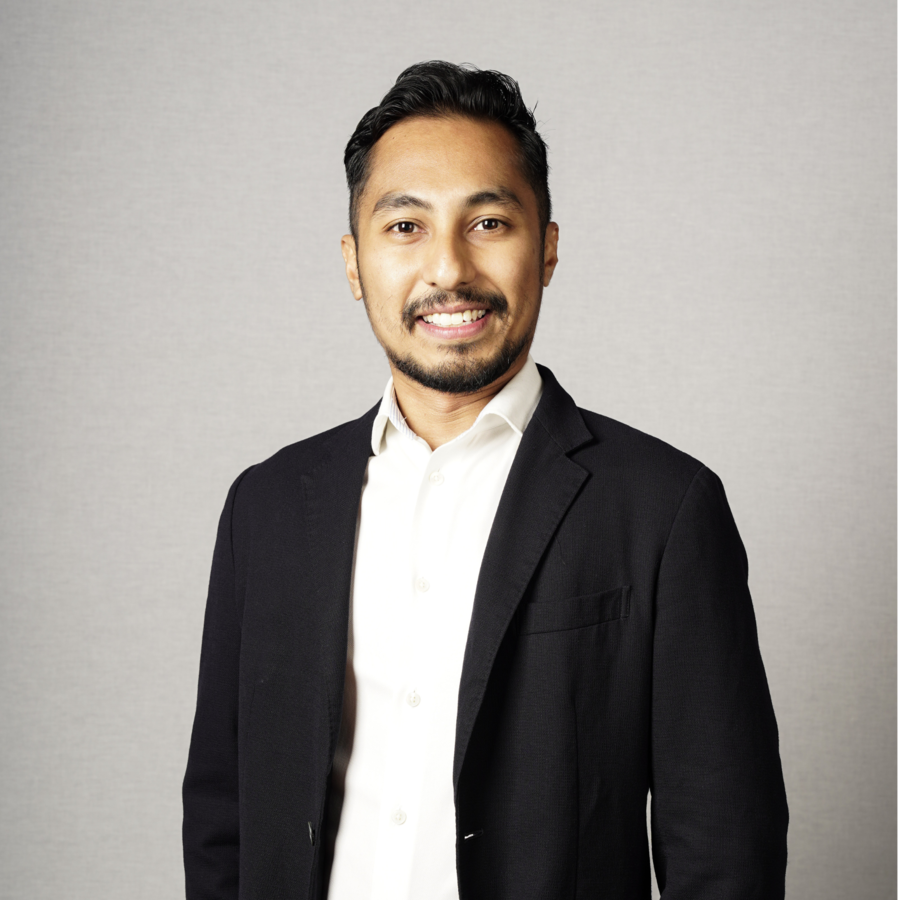
Aliff Ahmad
Project Manager
When the COVID-19 pandemic hit, it didn’t just affect individuals—it disrupted entire communities. Schools, in particular, were thrown into chaos. Students, teachers, parents, and school administrators found themselves navigating challenges they had never faced before. The uncertainty and fear surrounding the virus brought unprecedented obstacles to their day-to-day lives, especially when schools began to reopen. Everyone was trying to figure out how to stay safe, how to adjust to new routines, and how to ensure that education could continue in the midst of it all.
Malaysia (nationwide)
When schools reopened after the long COVID-19 shutdown, everyone had a story to tell. To truly understand what was happening inside classrooms and homes, we set out to gather these stories from all sides.
We listened to teachers as they shared their struggles—balancing new safety rules with the challenge of reconnecting with students. Through interviews and surveys, they opened up about their fears of infection and the hurdles of adjusting to a new normal. At the same time, we reached out to parents. Their voices came through in surveys, revealing how worried they were about sending their children back to school and the steps they took—packing extra masks, sanitizers, and a whole lot of hope—to keep their kids safe.
But the story wasn’t complete without hearing from the people behind the scenes. School administrators sat down with us to talk about the tough decisions they had to make, the safety measures they put in place, and the challenges of protecting not just the students, but the teachers too.
By weaving together these different experiences—from classrooms, homes, and school offices—we uncovered the full picture of what it really meant to reopen schools during a pandemic.
By examining these different layers, using a socio-ecological model, we were able to understand the full scope of the issues at hand. It wasn’t just about the virus itself, but how it impacted everyone connected to schools in different ways. This helped us identify the specific needs and concerns of each group, providing a holistic view that could guide future efforts in pandemic preparedness. It showed us the importance of looking at the broader picture, where each piece of the school community played a vital role in navigating the crisis together.


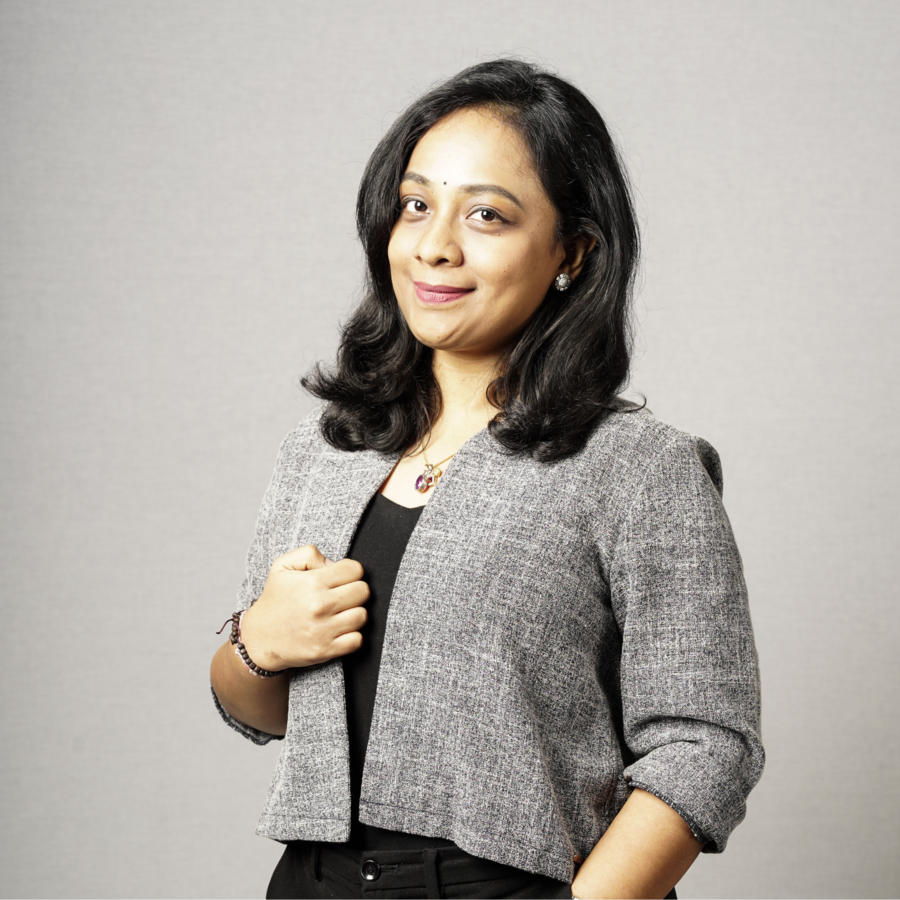


Daniella Mokhtar is a senior lecturer teaching Psychology at the Faculty of Social Sciences and Humanities. She obtained a Bachelor`s Degree in Psychology and Masters in Industrial and Organisational Psychology from Universiti Kebangsaan Malaysia. She completed her Ph.D in Occupational Health Psychology at the University of Sheffield, United Kingdom where she wrote her thesis on workplace bullying.
Learn more about me
Emma has 20 years of experience as an academic and a health communication researcher. She is passionate with the role communication to nurture positive health behaviours and strongly believes in the importance of health literacy to empower society in making informed health decisions.
Learn more about me
Arina Anis Azlan is a lecturer at the Centre for Research in Media and Communication, Faculty of Social Sciences and Humanities, Universiti Kebangsaan Malaysia. Her research interests are in health communication, information management and communicative behaviour among publics. She is currently involved in several research projects focusing on health communication and strategic communication to publics.
Learn more about me